Everything About Quality Institution: Crucial Realities and Improving Experiences for Young Learners
Elementary school plays an essential duty in shaping young students' futures. It incorporates essential scholastic subjects and supports social abilities through organized communications. Additionally, after-school activities give possibilities for imagination and synergy. Parental participation better enhances this foundation, sustaining children in their scholastic trips. As these aspects link, they produce a detailed instructional experience. However, what details strategies can parents and educators use to maximize this development?
Understanding the Elementary School Curriculum
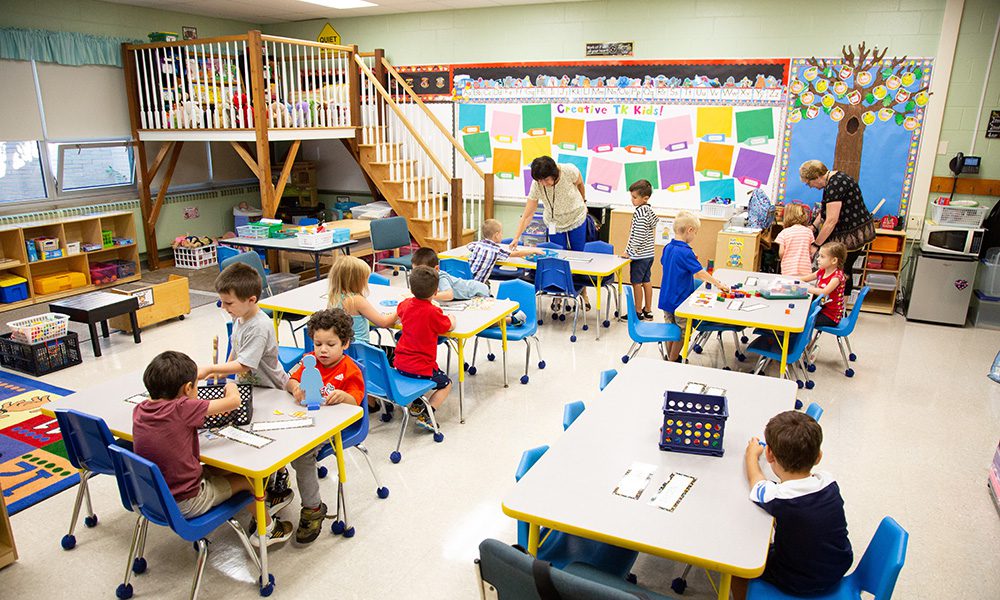
As pupils commence their elementary school trip, they run into a curriculum designed to develop foundational skills and knowledge throughout various topics. This curriculum usually includes core locations such as maths, language arts, science, and social research studies. Each topic is structured to grow essential reasoning, imagination, and analytic abilities, crucial for future scholastic success.
Language arts concentrate on analysis, creating, and interaction skills, cultivating students' capability to share themselves clearly. Math presents standard principles, including addition, reduction, and later, reproduction and division, laying the groundwork for a lot more complicated analytical. Scientific research motivates questions and exploration, igniting interest regarding the environment, while social studies infuses an understanding of community and multiculturalism.
Along with core subjects, the curriculum usually consists of arts and athletics, supplying a versatile academic experience that promotes both physical and intellectual growth. Grade institution offers as a crucial system for long-lasting learning.
The Structure of Elementary School Education
While quality institution education varies by area and institution, it normally complies with an organized framework that advertises progressive learning. Generally, grade school includes a variety of qualities, commonly from kindergarten through fifth or 6th quality, relying on the educational system. Each quality degree represents particular developing milestones, with educational program developed to construct upon anticipation.
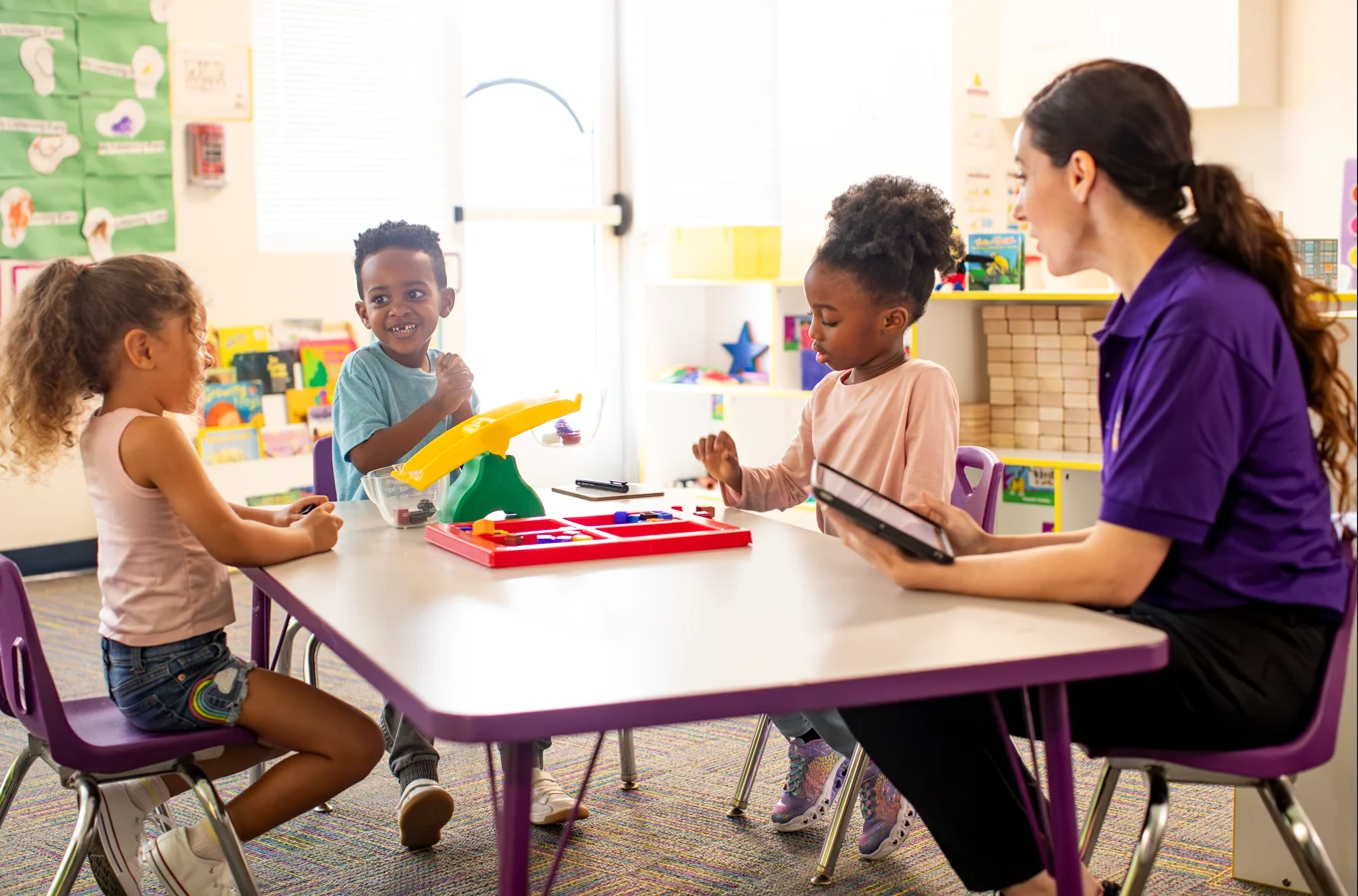
Courses are usually organized right into core subjects, including maths, language arts, science, and social research studies, making sure that students obtain a well-rounded education. Instruction often integrates direct teaching with hands-on activities, fostering involvement and important thinking.
Analysis approaches vary but typically include projects, quizzes, and examinations to assess pupil understanding. Furthermore, teachers often work together to develop interdisciplinary systems, boosting the discovering experience. Overall, the framework of elementary school education intends to grow foundational skills, prepare students for future academic obstacles, and promote a love for discovering that expands past the class.
Social Abilities Advancement in Early Learners
Elementary school education not only concentrates on scholastic skills yet additionally plays a considerable function in the growth of social skills amongst very early learners. Throughout these developmental years, kids take part in numerous activities that urge communication, collaboration, and communication with peers. Group tasks and participating discovering setups supply opportunities for children to exercise sharing, negotiating, and resolving conflicts.
Structured playtime fosters crucial abilities like compassion and understanding, as kids discover to acknowledge and react to the feelings of others. With guided social interactions, educators aid pupils establish essential listening and conversational abilities. As youngsters browse friendships and team dynamics, they gain self-confidence in their social capabilities.
The Role of Extracurricular Activities
Extracurricular tasks play a significant function in enhancing the instructional experience of elementary school trainees by giving avenues for individual development past the classroom. These activities permit pupils to check out talents and interests, fostering creativity and self-expression. Involvement in sports, music, art, and clubs cultivates team effort, management skills, and a sense of belonging.
Engaging in such tasks advertises physical health and well-being, urging students to preserve an energetic lifestyle. Extracurricular programs likewise function as a system for trainees to build friendships and create social skills, which are necessary for their general growth
As trainees navigate their passions beyond academics, they gain important experiences that contribute to their confidence and resilience. Eventually, these activities play a critical role fit well-rounded individuals, preparing them for future challenges both in and out of the classroom.
Supporting Discovering Via Adult Participation
Parental participation greatly enhances the academic journey of elementary school pupils, as it cultivates a supportive environment that strengthens knowing. Involved moms and dads add to their kids's scholastic success by attending school events, aiding with homework, and maintaining open communication with instructors. Private Grade School Peoria. This involvement not just enhances students' motivation but likewise grows a feeling of belonging and self-confidence
Research study suggests that kids whose parents are actively involved often tend to have higher qualities, much find more better participation, and boosted habits in college. Additionally, adult involvement encourages the development of vital life skills, such as time administration and responsibility.
Institutions can facilitate this participation by holding workshops, giving resources, and encouraging normal feedback. By creating partnerships between parents and instructors, elementary school can ensure a comprehensive method to student advancement. Inevitably, parental involvement works as a cornerstone for promoting a positive instructional experience, profiting both students and the school neighborhood all at once.
Frequently Asked Concerns
What Are the Normal Grade Institution Hours for Students?
Regular elementary school hours for students normally vary from 8:00 AM to 3:00 PM, varying by district. Lots of colleges incorporate a lunch break and recess, making certain pupils have time to recharge visit homepage during the day.
Exactly How Do Quality Schools Address Diverse Knowing Requirements?
Elementary school deal with diverse learning requirements via distinguished instruction, customized lesson strategies, and assistance solutions, guaranteeing all trainees obtain suitable resources. Educators collaborate with experts to produce inclusive atmospheres that promote individual development and involvement.
What Is the Function of Modern Technology in Quality College Education And Learning?
Technology in elementary school education and learning enhances learning through interactive devices, individualized finding out experiences, and accessibility to vast resources. It promotes cooperation among students and educators, preparing kids for a technology-driven future while supporting diverse educational needs.
Exactly How Can Parents Aid With Research Properly?
Moms and dads can aid with research effectively by developing an organized setting, motivating self-reliance, giving sources, and using assistance without directly providing answers. Interaction with educators additionally boosts understanding of assumptions and advertises scholastic success.
What Prevail Difficulties Faced by Grade School Students?
Common difficulties faced by grade college pupils include difficulty with time management, recognizing complex ideas, preserving emphasis throughout lessons, steering social dynamics, and stabilizing academic responsibilities with after-school activities, every one of which can influence their overall efficiency.
As trainees start their quality school trip, they encounter a curriculum developed to develop fundamental skills and knowledge throughout various subjects. Typically, grade institution incorporates read a range of grades, usually from preschool through sixth or 5th quality, depending on the educational system. Extracurricular tasks play a considerable function in improving the educational experience of quality college students by giving opportunities for personal development past the classroom. Adult involvement greatly enhances the academic trip of quality college trainees, as it cultivates a supportive setting that enhances learning. By creating partnerships between moms and dads and educators, grade schools can guarantee a thorough technique to trainee growth.